- Didihood
- Posts
- Didihood ~ Issue 93

Why does this year already feel like it’s flying by?
We are slowly looking ahead to Didihood events in 2026. Even with life getting busy for co-founders, we are grateful for such a vibrant and active Didihood community online. Is there an event you would like to host with Didihood?
Get in touch with us at [email protected]
Meet the Didi
This month we speak with artistic director and director of The Tawoos Initiative, Pratishtha Kohli based in Toronto.
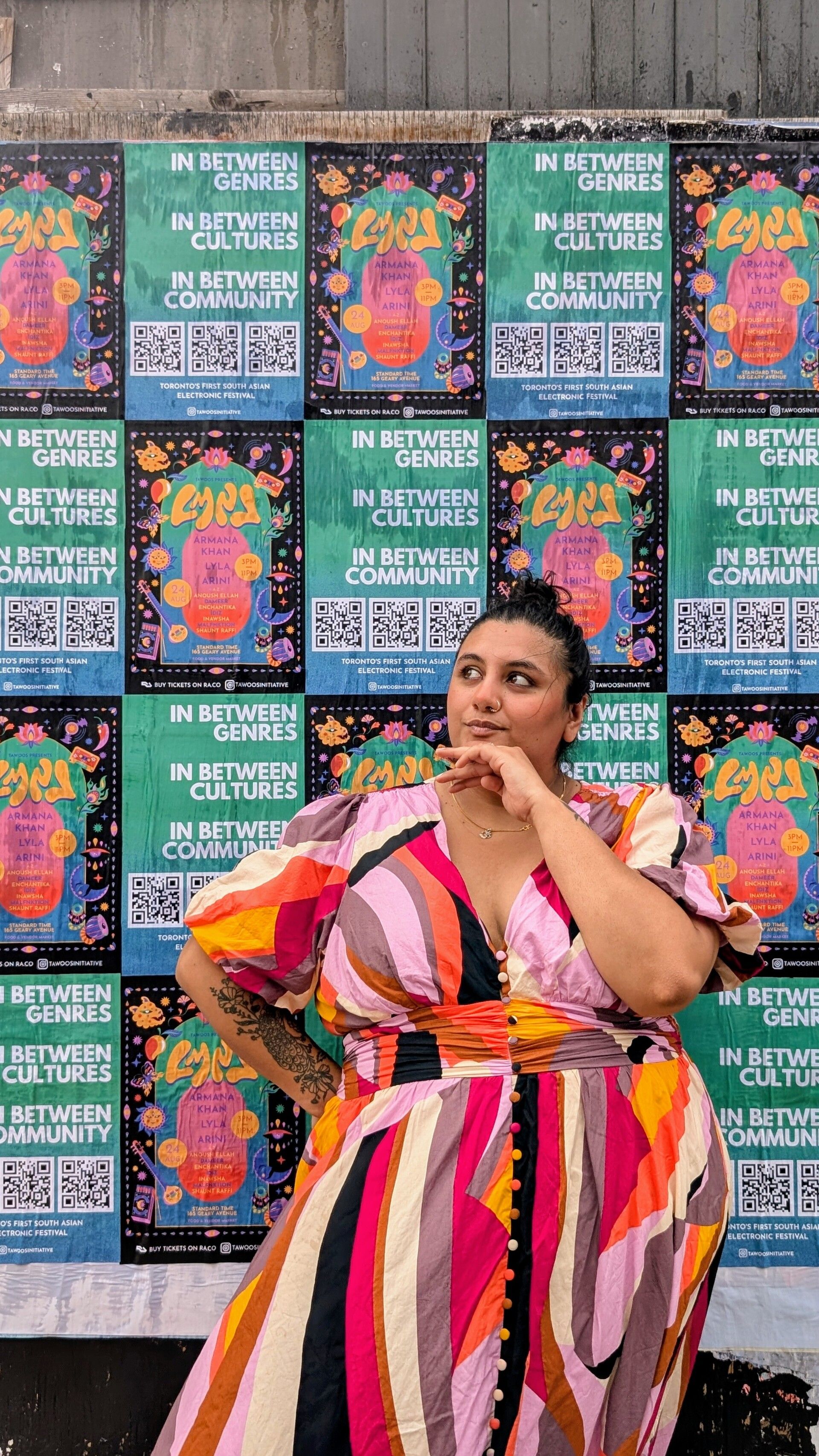
What drew you to the world of the arts? When did this all start?
I've been fascinated and have expressed interest in the arts since I was a kid. I grew up travelling the world, and one thing every school and country had in common was their celebrations, music, art and culture – that acted as connectors. My parents always made sure to cultivate that interest in me, from enrolling me in piano lessons and dance classes, as well as encouraging me to participate in drama extracurriculars and performances in school. As I grew older, I joined events committees, planned my high school's Diwali Ball, and helped organize a week-long Cultural Heritage celebration, which included visiting musicians and local talent.
When I got to university, that interest continued to grow stronger, and although I was studying psychology and criminology at the time, I couldn’t help but notice how much art played a role in creating connection and comfort for both myself and my peers. This observation blossomed into actively participating and working in creative spaces on campus to further cultivate my skills as a budding arts curator and events planner. This included planning cultural celebrations, working in Student Life events, joining the Indian Student Society and the Pakistan Development Foundation to create events for students across the board.
A large portion of my master's program was about community development and the way in which we form community to better our mental health. I believe art plays an incredibly impactful role in this as well. It allows us to find a medium to connect, and find common ground. Whether it's talking about the latest episode of Game of Thrones, dancing to the same beat as those around you, or sculpting pottery in a small class and rooting our thoughts through our hands –art is vital to our mental sustenance, and I’ve always loved and admired that.
Tell us more about the Tawoos Initiative. What does this space mean to you?
Tawoos came out of both necessity and interest. I grew up listening to classic rock and alt music and it was only when I met my co-founder and best friend Haris Javed in university, and he introduced me to indie Pakistani music, I was immediately hooked. The music talked about the world around us, and was both approachable and sounded great.
As time passed I got into more and more music from the subcontinent, and through some of the event work I was doing at my university, I had the opportunity to meet some artists, such as JoSH, Raghav, Faris Shafi and Haniya Aslam. I also attended free concerts like seeing Noori at Sankofa Square, and realized – I want to do that! I want to bring these artists and show their work to audiences here.
When I applied for jobs after my undergrad, I struggled to get work in the events world – the arts are highly competitive, with limited funding and positions, and as someone with volunteer experience and not much else, I wasn't considered qualified. So I gathered my two friends – Haris, who was an international student from Pakistan, and Auoro Maksud, an international student from Bangladesh, and decided to do it ourselves. We registered Tawoos as a not for profit, and decided that we would promote independent artists across genres from South Asia.
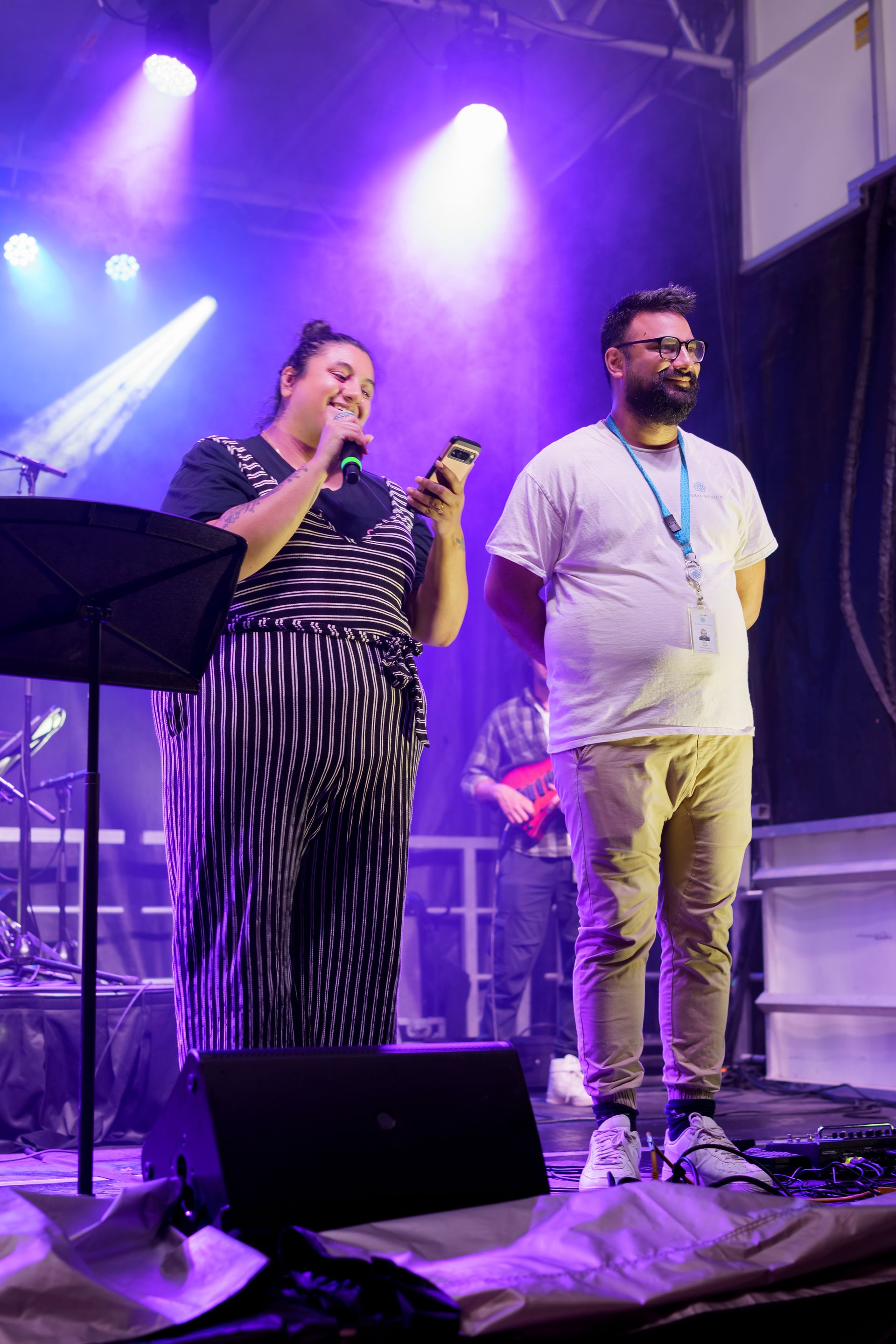
When we founded Tawoos in 2017, was a very different time than now for music from the subcontinent. We were still very much known for classical, folk or Bollywood music. Tired of being brushed under the label of "world music," we decided to create something that was more indie, urban and represented our generation’s interests, while supporting emerging artists from equity deserving backgrounds.
What Tawoos has now grown to mean for me, and hopefully many others, is a safe space for expression and community. We focus on queer community, and building space for queer and femme audiences and artists to come into themselves without any expectations or reservations.
You've spent years in art programming and curation for different organizations, what draws you to these spaces?
To me, it is vital that the work I do is able to platform and uplift artists, and bring audiences from across access points into spaces that welcome them. From learning about truly global sounds at the Aga Khan Museum to delving into the world of film with the Hot Docs Film Festival, I have constantly been able to be challenged and had my curiosity fulfilled.
My greatest challenge was definitely stepping into the role of Supervisor of Special Events at the City of Toronto. As someone who has now led exhibition zones at Nuit Blanche, coming into visual art from a performing art background, was a very steep learning curve to build these massive installations with internationally renowned artists, in public, accessible spaces for millions of Torontonians to enjoy in a condensed all-night event.
It is truly just the love of the game, and wanting to constantly challenge myself to build something bigger than myself that draws me to each of these opportunities.
I also want to join organizations that I truly think will benefit from my presence, and value the perspectives I can bring. I started professionally in the arts when I was 21, and as a queer woman of colour who was also a new migrant and came from a multinational third culture background, I truly believe in my vision and curatorial ability as being unique. The arts, while of course, ahead of the curve in terms of intersectional representation, still needs challenging and restructuring. I can't do that work alone, but I always wanted to try to play whatever small part I can in that journey.
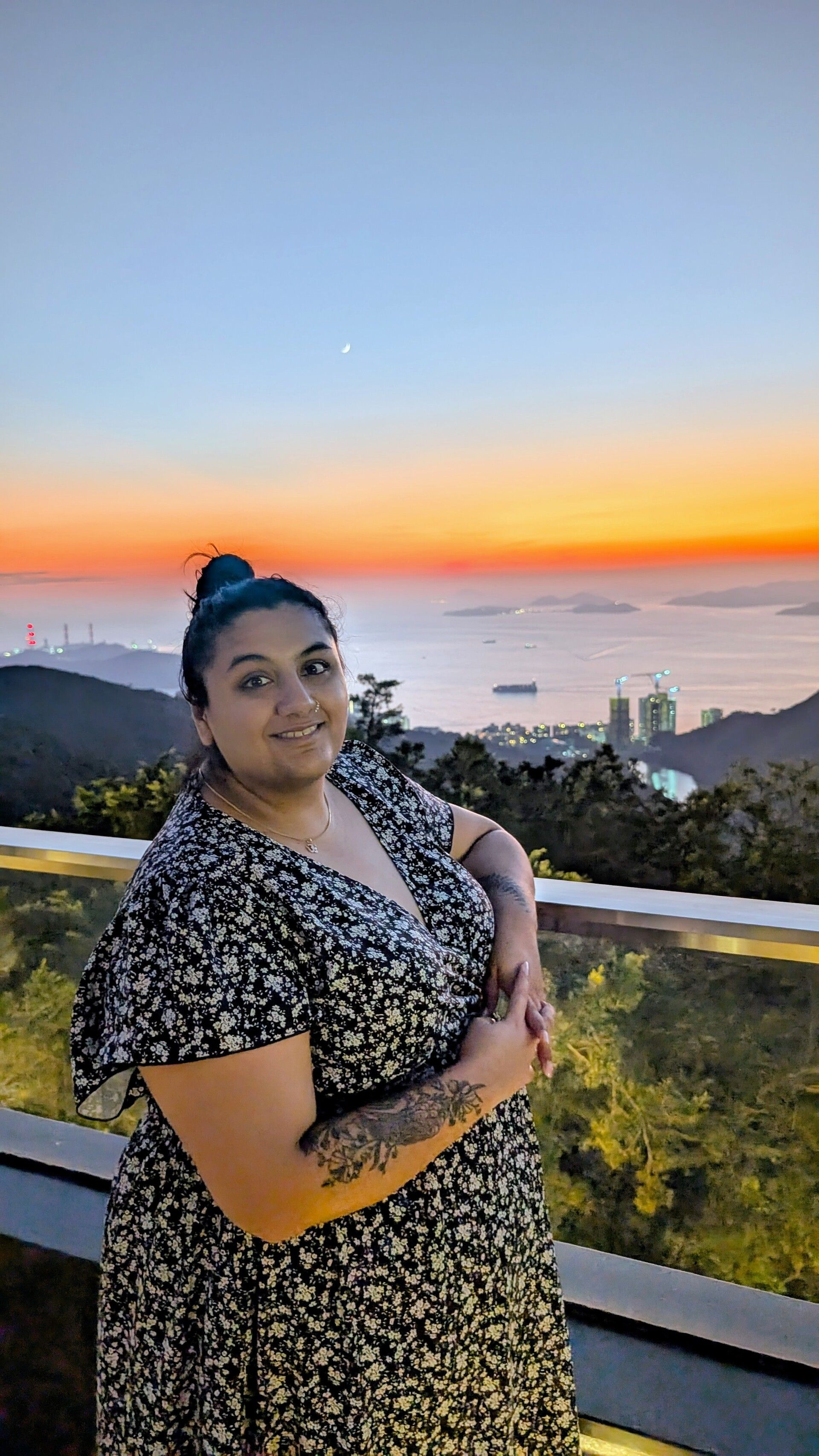
As a South Asian woman, have you faced any barriers navigating the music or art world?
As a South Asian woman, we definitely are not taken as seriously as others in the art and music world. Whether it was initially, when I had to fight against systemic barriers caused by gatekeeping by largely white, male dominated organizations, or now when South Asian hate is at its peak in Canada, it has definitely been a struggle to navigate.
I really had to use my position as a young, queer, South Asian woman who came from an academic background focused on equity, to almost persuade organizations that they needed voices like mine to make the work they were doing more legitimate. As I grew professionally, I also had to then use those positions of power to create connections and space for South Asian arts and music in the wider realm, where more than my name or Tawoos, it was my position at xyz organization that carried its worth. Even now, I find myself weaponizing myself as the diversity hire in rooms where my qualifications and tenure don't hold the same weight as others around me.
What folks entering the arts scene don't realize is how truly small Toronto's culture scene is. As someone who is genuinely quite introverted, I had to learn to push myself to talk to absolutely everyone, because cultural connection is genuinely the only way to build something sustainable and long lasting. This was particularly difficult as someone who is queer and South Asian, because what we experience culturally is not the same as what mainstream queerness is represented by. Feeling safe in my identity and having it be represented in platforms where I work and am publicly out, and having conversations with folks about it in the industry, while trying to maintain my safety within my own community by not being out is a difficult balancing act, and one that the majority of queer femme South Asians experience.
What's next for you and Tawoos?
I left my full time role in August of 2025, and the plan is to go full tilt into Tawoos in 2026. We just sat down as a team and created a 5-year strategic plan for the organization.
Personally, I am giving myself a year to build us up as much as possible. We launched our own festival in 2025 - LMNL, which platformed queer and femme electronic artists, Toronto's (and Canada's) first South Asian Electronic Music Festival. The festival was completely self funded and DIY, and for 2026, my aim is to get us to new heights–with funding, partnerships and sponsorships.
Tawoos is also at a unique juncture of growth, and the plan is to build North American touring ecosystems for international artists coming in, while still embodying that aspect of culture and care that we represent as a small organization. We're bringing Maanu to Canada this month in partnership with MRG as a part of his larger North America tour, and hoping to turn that experience of learning about the Toronto and Vancouver touring scene into something larger for all of our artists.
There truly just is so much scope and opportunity coming in the next year, and I want to make us as sustainable as possible! Right now, all the work I do for Tawoos is done voluntarily. The Capricorn in me wants to turn that into bag, so I’m manifesting growth and riches in the future!
What we’re reading:
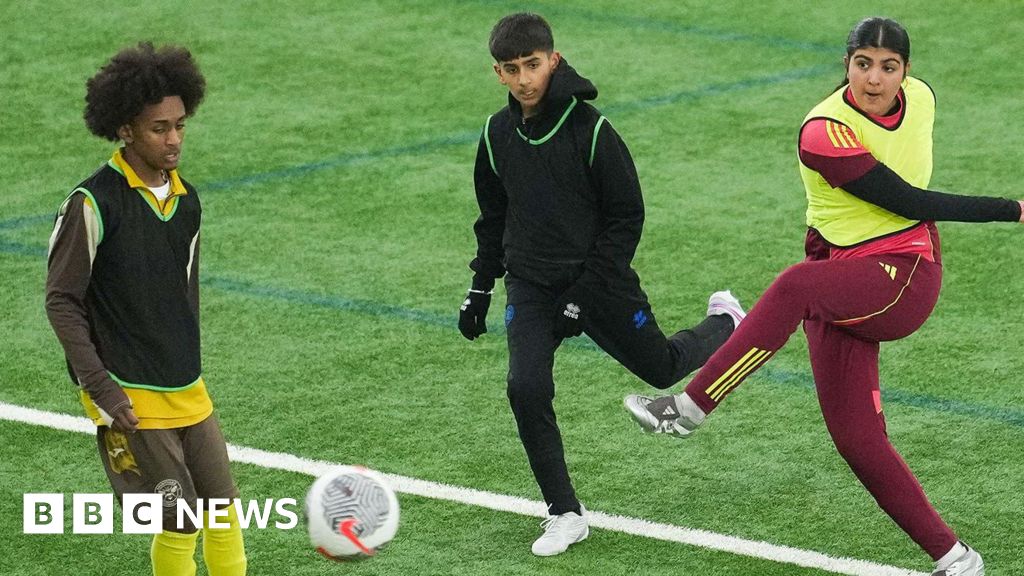

Community events:
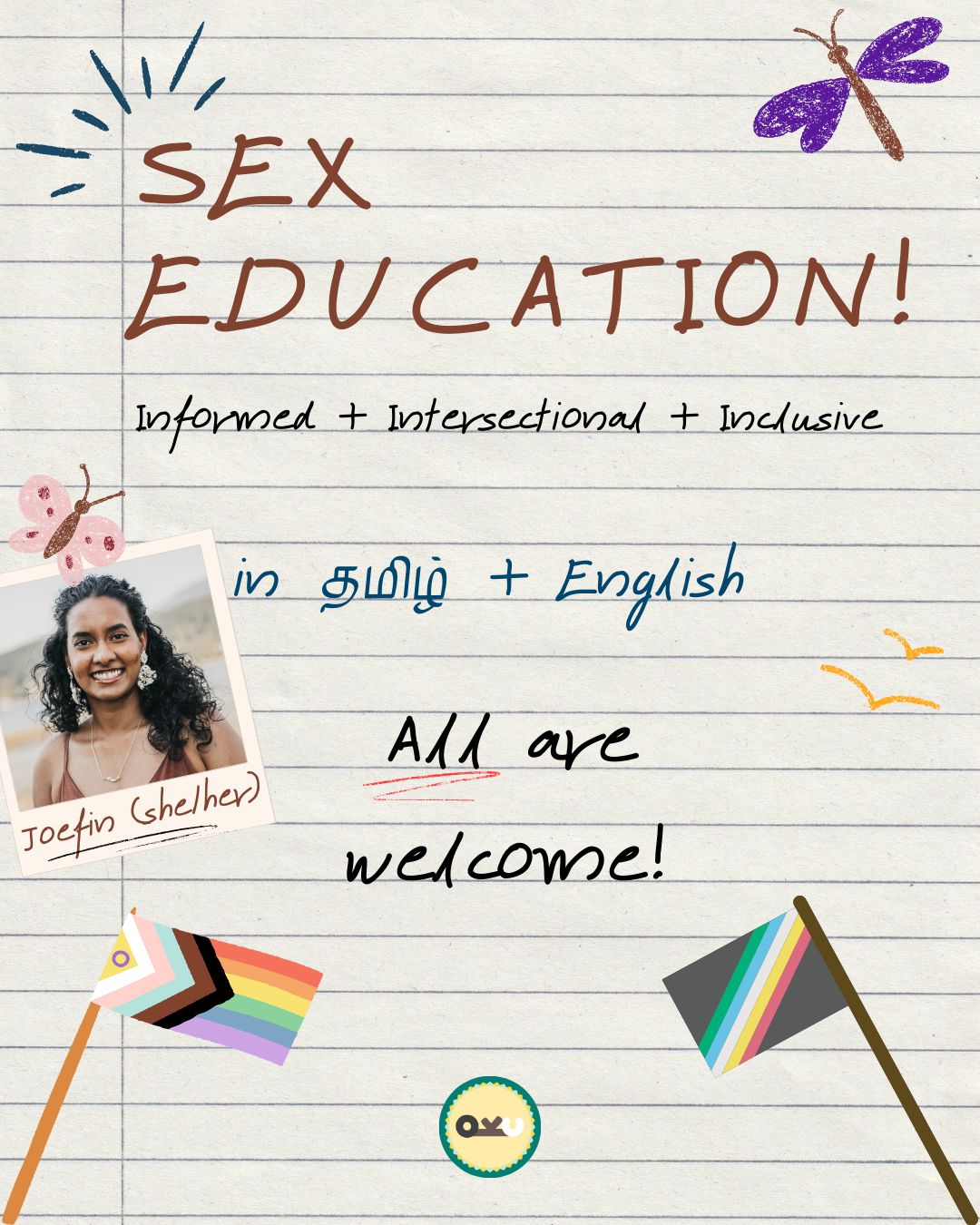
Joefin Peter (she/her) is a certified sexual health educator and (soon-to-be certified) reproductive-spectrum doula. She is hosting a series of Tuesday evening workshops on topics surrounding sexual and reproductive health.
You get to enjoy a 15% discount at checkout by using code "DDHood15"!
Register today at 10oclockjoefi.eventbrite.com. This is a chance for you to get liberated, feel empowered, and take control!
— Arti Patel
Issue 93
Follow us on Instagram, Twitter and Facebook
[email protected]