- Didihood
- Posts
- Didihood ~ Issue 95

Hey Didis! Happy Spring!
We are excited to be kicking off this season with an event in Vancouver! We’d love to see you there! Get your tickets here!

Meet the Didi
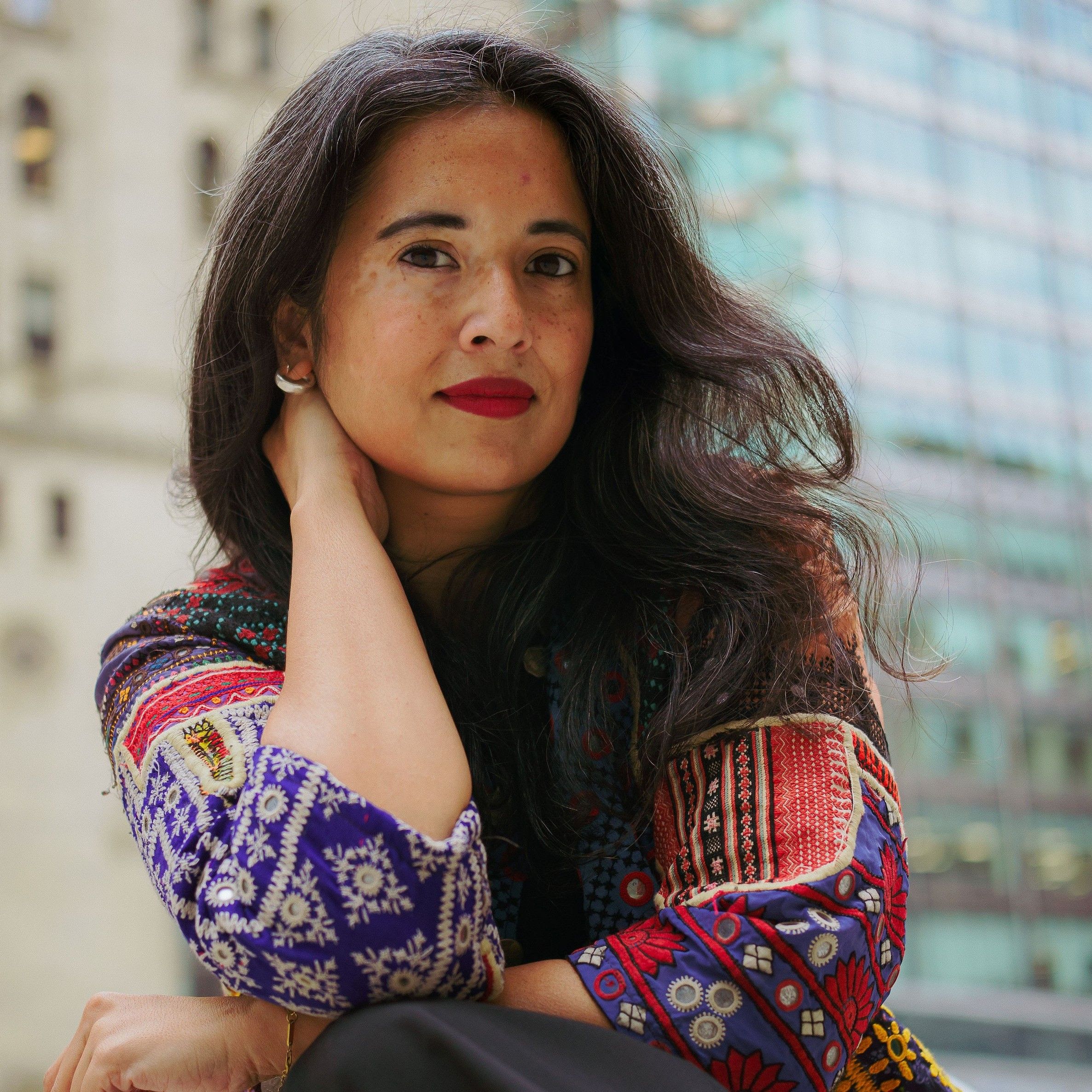
This month we speak with award-winning director Saman Malik based in Toronto.
Tell us about your start in journalism, what inspired you to pursue a career in it?
My first job was actually in entertainment and music programming at HUM TV in Karachi, Pakistan. When I moved to Canada, I felt completely lost, not really understanding the Canadian media landscape or how my experience would translate here. That's when a friend who had graduated from Columbia Journalism School, suggested I apply for the program. I almost laughed it off, thinking it was a crazy, long shot but she kept pushing. I already loved every aspect of production so I figured I could train in journalism while learning how to shoot, direct and edit myself. That led to fact-checking at The New York Times, followed by producing at Tina Brown’s ‘Women in the World Summit’. By the time I moved back to Canada, I had a short-term contract at CBC’s investigative documentary program ‘The Fifth Estate’, which turned into a full-time position two years later.
You have spent many years producing, at several programs/publications, can you tell us about the project you are most proud of?
That is such a hard question to answer! As a journalist and documentary filmmaker, what I’m consistently amazed by is how generous and open people are with their time and their stories. I’m proud to have earned that trust many times over and it's a responsibility I don’t take lightly.
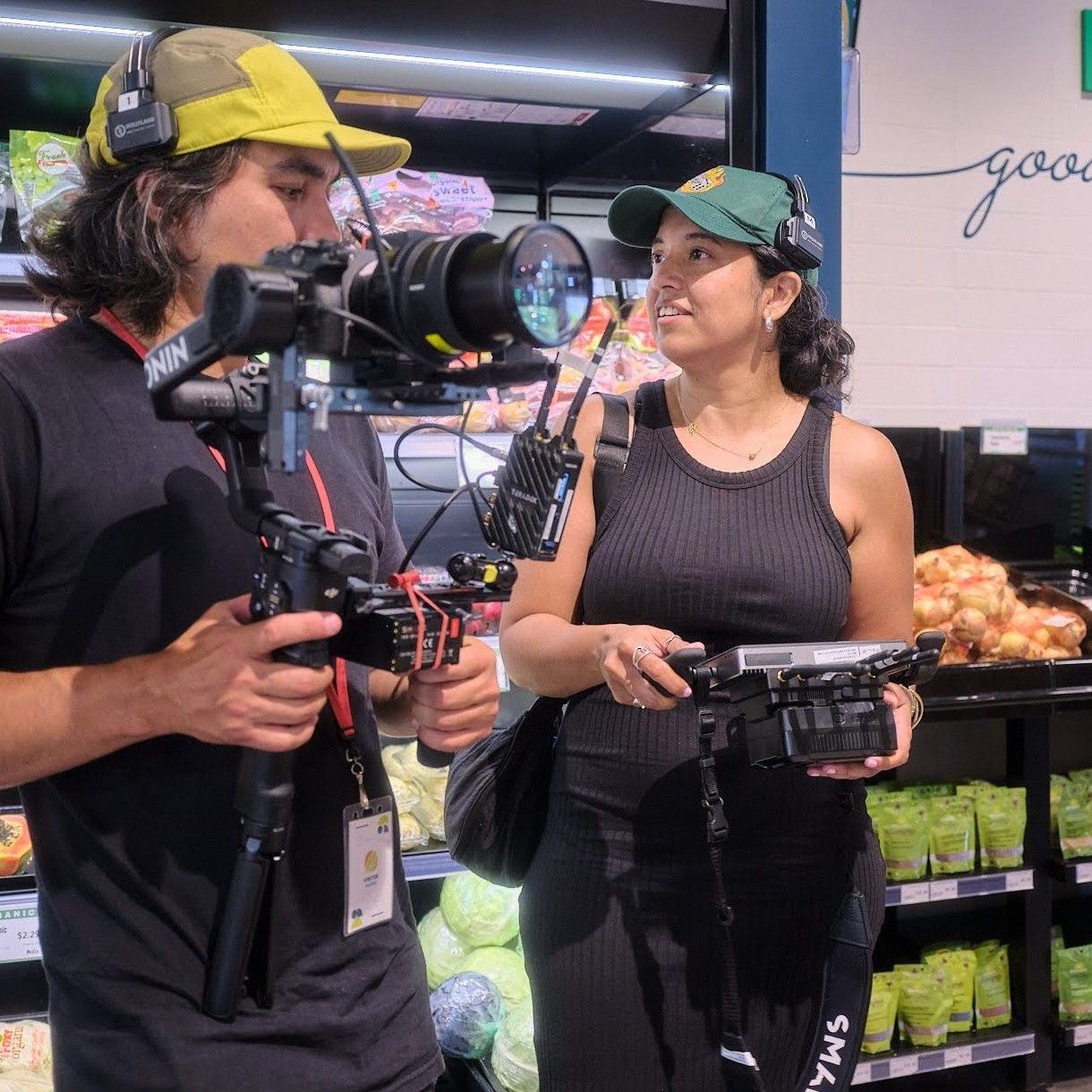
If I had to pick one project, it would have to be ‘For The Culture With Amanda Parris’. Directing, producing, and writing a six-part travel documentary series from scratch was one of those rare experiences where you’re building the plane while flying it. There was no real prototype for the show, so we had to discover its shape as we went, taking Amanda’s vision and slowly building a world around it through the places we traveled and the people we met. As a director, I spent a lot of time thinking about the visual language of the series and how the look and tone could carry the storytelling. What drew me in was the chance to explore complex social questions while still creating something visually rich and inviting.
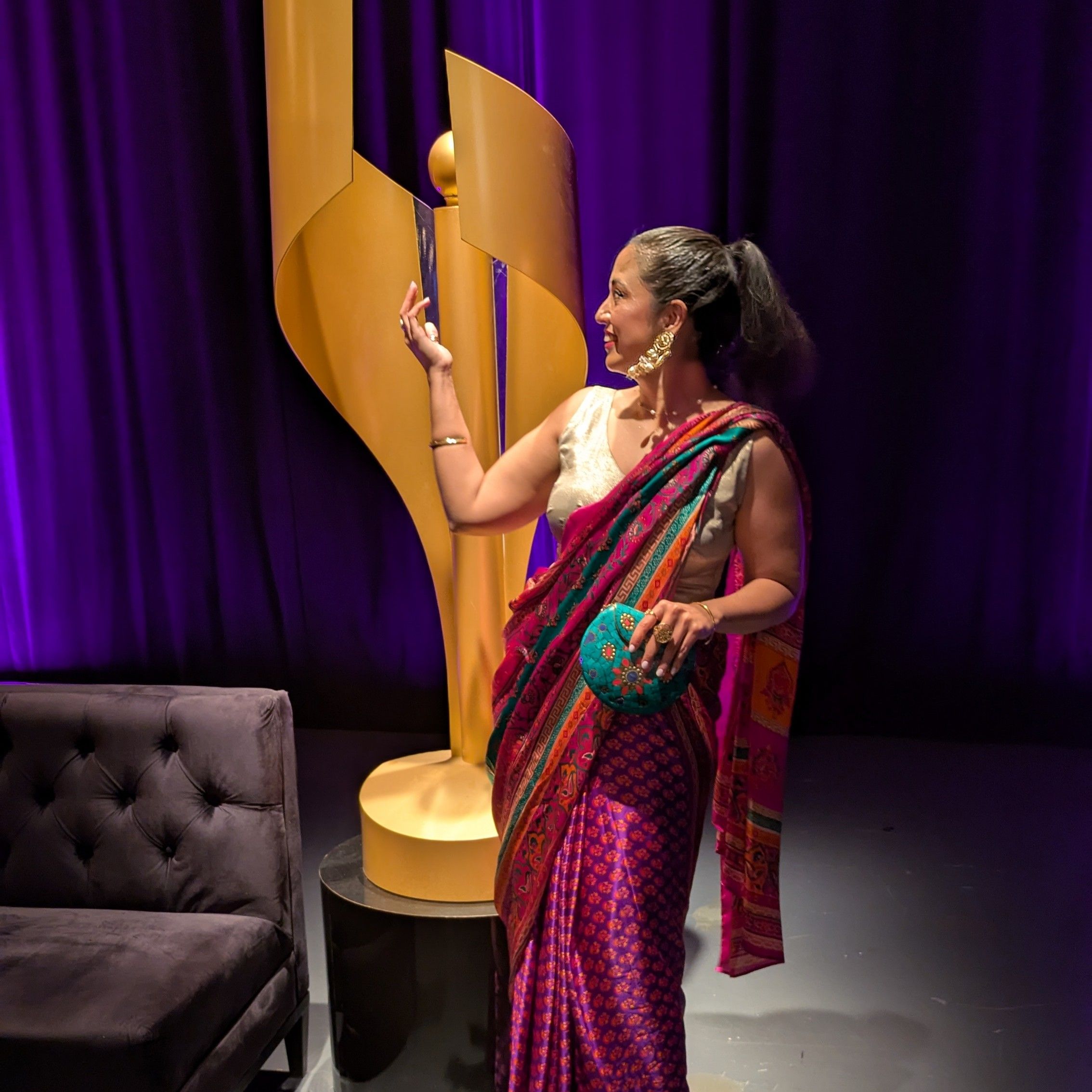
Winning the Canadian Screen Award for Best Direction, felt real in a way that’s hard to articulate. It’s not just a shiny thing on a shelf, it’s proof that all those long hours, moments of doubt, creative problem-solving and intense collaboration, actually landed somewhere meaningful. But what has been truly remarkable is watching the show find its way into people’s lives, in ways we hoped for, and in ways we could not have imagined. For that, I am incredibly grateful.
Have you ever faced any barriers as a South Asian woman navigating the media space? If so, how did you work through it?
There are all sorts of barriers that many of us face in the media space, especially in Canada. One of the hardest things is that it's often impossible to name or even know the real reason behind them. Is it this industry? Is it bias? Is it me? I’ll admit that it took me a really long time to realize when I was in rooms where, no matter what I did or how much I accomplished, it would never be enough. What finally landed for me was not being able to deny a pattern that kept repeating itself.
There's so much to be said about imposter syndrome but I truly feel it's something that is fed into you through conditioning and systemic biases. It's the gaslighting and subtle messaging when your ideas are dismissed, you’re passed up for promotions, taken off projects, removed from bylines – even when you’re doing everything that's being asked of you.
To be honest, I don't know if I have the answer on how to work through it. But one of the ways I’ve tried is to find different rooms. Ones where I am celebrated and championed. At this stage in my career, I know myself. I know what I’m good at and I trust my instincts. I have a particular lens through which I see the world and that is a strength. I want to surround myself with people who recognize that and are here for it.
You have also started freelancing as a director and producer/writer. Tell us about the last few months?
Honestly, it's been equal parts terrifying and thrilling. Terrifying because I’m having to learn for the first time how to work for myself. For almost a decade at the CBC, I didn't have to worry about any of that because it was baked into the job. I pitched ideas, was assigned stories and then figured out how to crack them open. That structure gave me a sense of security and focus. Setting my own schedule, deadlines, and infrastructure is a whole different ballgame.
But after spending years on some of CBC’s most iconic shows, I felt it was the right moment to take the leap into freelancing. And I can’t overstate how excited I am about this new chapter. There is something liberating about stepping outside the system: I still get to work on projects that will air on CBC, which gives me that familiar comfort, but now I also have the freedom to experiment, cross genres, and push creative boundaries in ways I couldn’t before.
What would be your advice for Didis interested in entering journalism?
My universal advice for anyone entering any creative field is to ask questions, learn as much as you can about the industry and make sure the path you’re taking is sustainable. Women (especially South Asians) aren't given this messaging often enough. You need your own money. And this career, like any other, should not be charity work. So make sure you have pathways to get paid!
As far as journalism or the media industry at large is concerned, it’s almost impossible to predict where things are headed right now. But I believe media literacy and reporting are vital for an informed and functioning society, so the fundamentals matter. Build a strong foundation, develop your voice, and sharpen your critical thinking. I don’t have a crystal ball, but I’m hoping these skills are future-proof. The technology, platforms, and business models keep changing, but if you’re doing good work, you’ll find your audience. Sometimes in journalism there’s a debate about focusing too much on audiences, but that is the wrong approach. The audience is the whole point. Everything we do in this industry is for them.
The Didi Creative Fund is back for 2026!
Applications are now OPEN!

See you next month!
— Roohi Sahajpal
Issue 95
Follow us on Instagram, Twitter and Facebook
[email protected]