- Didihood
- Posts
- Didihood ~ Issue 99

Happy August Didis! Somehow the summer is almost over?! But that also means that our mentorship program is around the corner. If you or someone you know is interested in being a mentor this year, or if you’re looking for a mentor in your creative field, make sure to fill out the form by Aug. 15!

Meet the Didi
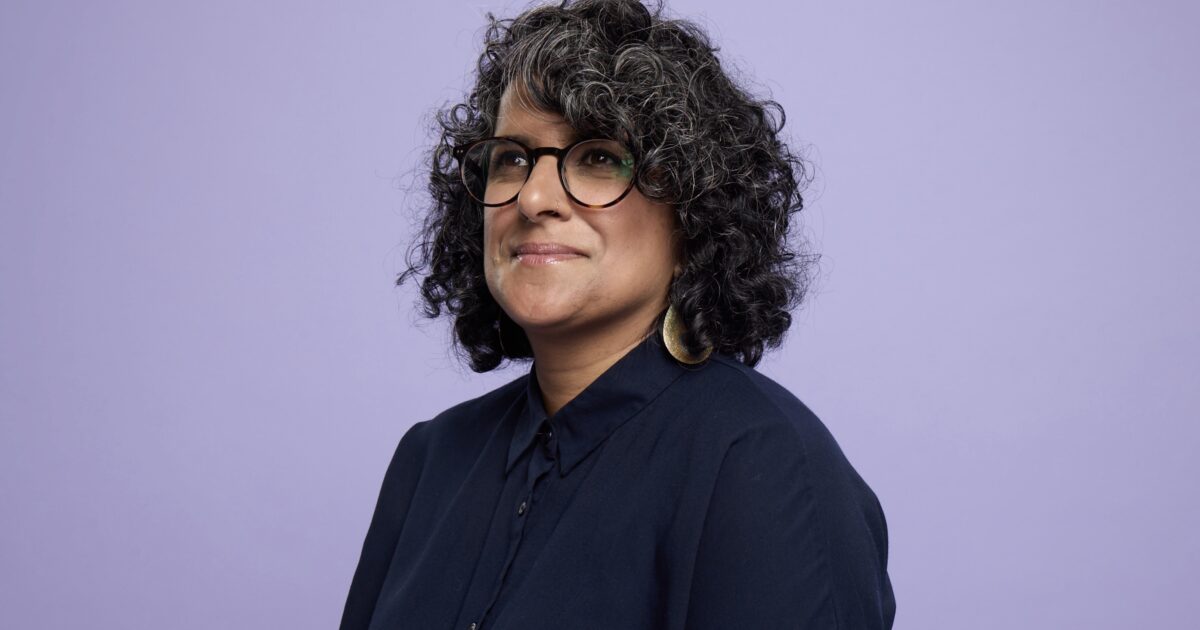
This month we are chatting with multidisciplinary artist Gurpreet Sehra. Gurpreet’s work explores conceptions of gender, as related to Sikh-Punjabi diasporic communities. She has completed two major public art commissions in Winnipeg and has exhibited and held artist residencies in Europe.

Tell us about your journey into becoming an artist.
I was always interested in art for as long as I can remember. As a child, I was painfully shy, and art became a constant source of comfort and expression both at home and at school. My first all-nighter was in Grade 5, when I spent hours hand-drawing every detail of the anatomy of a volcano for a school project. In Grade 8, I begged my parents to let me audition for the visual arts program at an arts high school. When I was accepted, they agreed to let me attend. Given my lifelong passion and involvement in visual art, pursuing art in higher education felt like a no-brainer.
Much of your work focuses on conceptions of gender within the Sikh-Punjabi diaspora. Tell us about that.
I am fascinated with investigating identity constructs, gendered representations of self, and collective trauma and memory within the Sikh-Panjabi diaspora. These themes are and will remain at the core of my work. What has changed since I first started making art is that representation of Sikh-Panjabis has increased, providing an endless amount of social media content to work with. For source material, I frequently appropriate found images and text, and I also rely on archival family photographs. By design, there are a multitude of ways to interpret my work, and my aim is to disrupt and re-imagine histories and current realities. I hope to contribute to the larger contemporary critical discourse about diasporic culture and the politics of identity.

Christmas Trees (2011)
For anyone new to your work, what do you hope they learn from it?
I hope they learn that there are endlessly rich ways of seeing, thinking about and visualizing ourselves in the diaspora. Along with song, dance, food, language and dress, faith and sport, visual art is also a huge part of our cultural heritage and can serve as a powerful vehicle for change, discussion and engagement.
How do you find inspiration for future works?
I am inspired by the Sikh-Panjabi community itself, how diverse, cohesive and loud a small cultural group can be. I am also inspired by the art-making process itself and how disparate connections can be made in art. I love critiquing culture so that we might see ourselves for what we are and maybe even evolve for the better. I often say that I make art for my own community, whether they see it or not.

A Real Man (2013)
Do you have any advice for younger Didis who want to become artists?
If you are anything like me and feel that art-making is your calling, you’ll always pursue and chase it. Don’t let anyone tell you different. And if you do stop because life happens, it will always be there when you’re ready to pick it up again.
What we’re reading:

What we’re watching / listening to:
Netflix’s BEST OF THE BEST is a new comedy film set in the world of competitive collegiate Bollywood-style dance, premiering Sept. 18. The film stars Maitreyi Ramakrishnan and Priyanka Kedia, and the cast also includes Didis Lilly Singh and Saara Chaudry. Full details here.


— Nikkjit Gill
Issue 99
Follow us on Instagram, Twitter and Facebook
[email protected]